What are the Best National Parks for Stargazing in the US?

Quick Takeaways
- Finding the best national parks for stargazing allows travelers to trade city glow for unobstructed views of thousands of glittering stars.
- According to National Park Service data, over 80% of North Americans cannot see the Milky Way from home due to artificial light pollution.
- Certified dark sky parks protect pristine night skies through strict outdoor lighting conservation and ongoing community education.
- The American Southwest hosts the densest cluster of International Dark Sky Places, offering ideal high-altitude desert viewing.
- Planning around new moon cycles and reserving park accommodations early ensures an unforgettable night under cosmic wonders.
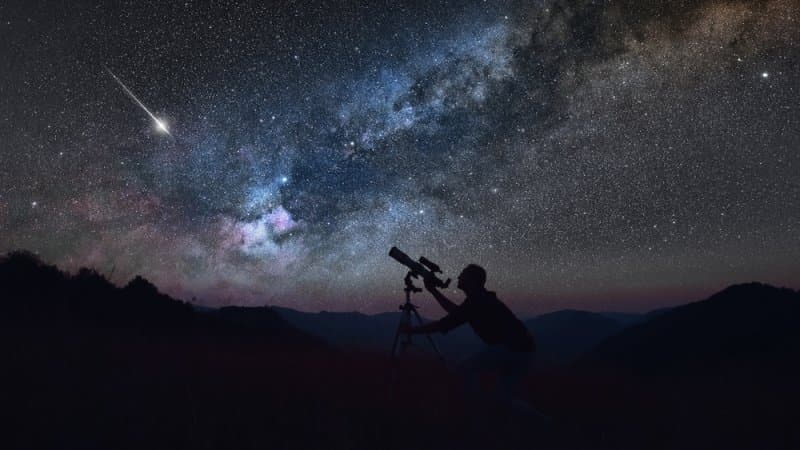
Standing beneath a pitch-black desert sky while watching the luminous band of the Milky Way stretches from horizon to horizon is a deeply humbling human experience. Selecting the best national parks for stargazing gives travelers a front-row seat to cosmic wonders that remain completely hidden from modern urban environments.
Data from the National Park Service highlights that over 40 national park sites are officially certified as International Dark Sky Places, preserving natural darkness for public wonder and ecological health.
Escaping artificial light pollution requires traveling to vast, remote sanctuaries where natural darkness reigns supreme. Whether you want to witness meteor showers over ancient sandstone arches or gaze at distant galaxies from high alpine basins, America's protected lands offer unparalleled nocturnal beauty. In this complete night sky travel guide inspired by AFAR, we will explore 10 exceptional parks, detail their geographical locations, reveal top viewing spots, and share essential lodging recommendations.
10 Premier Dark Sky Parks in the USA
Discovering the best dark sky parks in the USA reveals unforgettable celestial landscapes spanning remote deserts, high mountain peaks, and rugged river canyons.
1. Big Bend National Park
Spanning over 800,000 acres along the Texas-Mexico border, Big Bend boasts the least light pollution of any national park in the contiguous United States. Its extreme isolation allows stargazers to view thousands of stars, faint satellites, and the Andromeda Galaxy with the naked eye.
- Location: Southwestern Texas along the Rio Grande border.
- Where to Stay: Book a room at the historic Chisos Mountains Lodge inside the park, or stay at luxury glamping sites in nearby Terlingua.
2. Great Basin National Park
Rising from Nevada's sagebrush desert to over 13,000 feet, Great Basin offers exceptionally clear, high-altitude skies. On clear, moonless nights, visitors can see the Milky Way casting visible shadows on the ground.
- Location: Eastern Nevada near the Utah border.
- Where to Stay: Pitch a tent at Wheeler Peak Campground or reserve cozy guest cabins in the nearby gateway town of Baker.
3. Death Valley National Park
As a designated Gold Tier Dark Sky Park, Death Valley's massive desert basin creates an expanse where the night sky begins right at the horizon. Unique salt flats and dunes provide dramatic foregrounds for night photography.
- Location: Eastern California along the Nevada border.
- Where to Stay: Stay at The Oasis at Death Valley, or reserve campsites at Furnace Creek Campground inside the park.
4. Bryce Canyon National Park
Famous for its crimson rock hoodoos, Bryce Canyon sits at an elevation of 8,000 feet, providing crisp mountain air free from atmospheric haze. The park hosts an annual Astronomy Festival and frequent ranger-led telescope programs.
- Location: Southwestern Utah.
- Where to Stay: Reserve historic rooms at The Lodge at Bryce Canyon, or stay at boutique hotels in Bryce Canyon City.
5. Arches National Park
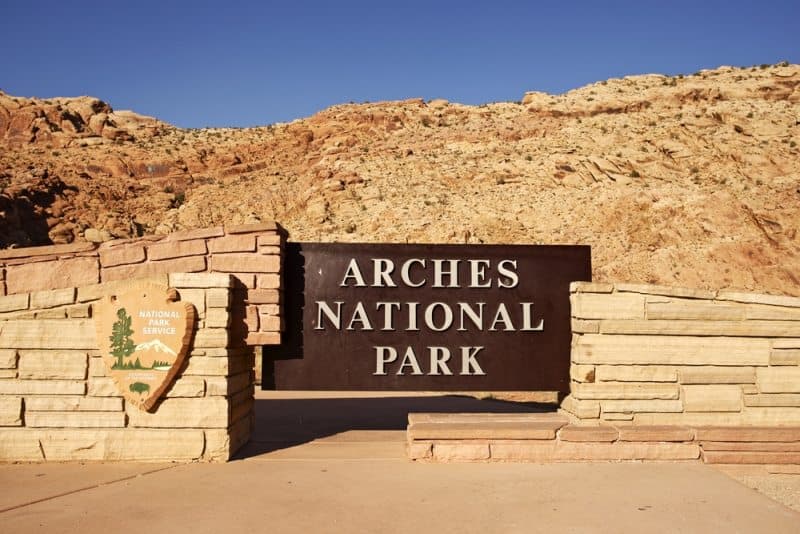
Famous for its 2,000 natural sandstone arches, Arches transforms into an otherworldly landscape after dark. Framing the glowing arc of the Milky Way through iconic rock formations provides incredible memories.
- Location: Southeastern Utah near Moab.
- Where to Stay: Camp at Devils Garden Campground inside the park, or book modern eco-lodges in downtown Moab.
6. Joshua Tree National Park
Located within a short drive of Southern California metros, Joshua Tree offers an accessible dark sky oasis. The iconic twisted Joshua trees silhouetted against brilliant star fields create iconic nighttime scenes.
- Location: Southeastern California.
- Where to Stay: Rent mid-century modern vacation homes in Joshua Tree Village, or camp at Jumbo Rocks Campground.
7. Black Canyon of the Gunnison National Park
Featuring deep, dramatic gorges carved by the Gunnison River, this Colorado sanctuary offers dark skies perched high above steep canyon rims. The park hosts summer astronomy events led by local astronomers.
- Location: Western Colorado near Montrose.
- Where to Stay: Stay at the South Rim Campground, or book charming bed-and-breakfasts in nearby Montrose.
8. Grand Canyon National Park
Offering celestial views over one of the world's natural wonders, the Grand Canyon provides certified dark skies along both its rims. The annual Grand Canyon Star Party draws astronomers from around the globe.
- Location: Northern Arizona.
- Where to Stay: Reserve historic rooms at El Tovar Hotel on the South Rim, or lodge at Bright Angel Lodge.
9. Voyageurs National Park
Located along the Canadian border, Voyageurs features pristine waterways and vast wilderness forests. In addition to brilliant star fields, visitors frequently witness the dance of the Northern Lights reflecting across quiet lakes.
- Location: Northern Minnesota along the Canadian border.
- Where to Stay: Rent a private houseboat to navigate park lakes or stay at wilderness resorts in International Falls.
10. Capitol Reef National Park
Tucked along Utah's Waterpocket Fold, Capitol Reef offers quiet solitude and dark skies far away from major highways. Red rock cliffs and historic orchards provide peaceful settings for night sky observation.
- Location: South-central Utah.
- Where to Stay: Stay at Fruita Campground surrounded by historic orchards, or book boutique inns in Torrey.
Must Try: The Most Epic National Parks And Monuments In Arizona
Planning Stargazing Trips in America for Maximum Visibility
Planning successful stargazing trips in America requires attention to natural lunar cycles and weather patterns:
- Target the New Moon Phase: Schedule visits during the three days before or after a new moon when moonlight is absent.
- Allow Eyes to Adjust: Give your eyes at least 30 minutes in total darkness to adapt fully to faint starlight.
- Use a Red Flashlight Filters: Use red LED lights instead of white light to preserve night vision while walking along trails.
- Pack Warm Layers: Desert and mountain temperatures drop rapidly after sunset, even during warm summer months.
Taking these simple steps ensures you experience national parks with the clearest night skies at their absolute peak.
What Makes These Destinations the Best Places to See the Milky Way?
Discovering the best places to see the Milky Way depends on low humidity, high elevation, and minimal light pollution. The high-desert parks of the American West sit thousands of feet above sea level, placing observers above dense atmospheric haze.
Combined with strict dark sky preservation standards, these locations reveal the galactic core in vivid detail from May through September.
Essential Reads: Visiting Sequoia National Park in California
Conclusion
Exploring the best national parks for stargazing offers an unforgettable connection to the cosmos. Throughout this guide, we highlighted premier dark sky travel destinations, including Big Bend, Great Basin, Death Valley, Bryce Canyon, and Voyageurs. We detailed geographical locations, recommended park accommodations, outlined viewing tips, and explained what creates ideal night sky conditions.
Standing beneath thousands of glittering stars restores a sense of wonder that busy city lives often obscure. Preparing your travel arrangements with comfortable ground transit ensures your nocturnal adventure begins with total ease.
Are you ready to plan your dark sky getaway and witness the cosmos in pure, unfiltered beauty? Connect with luxury travel planning specialists like leisure.com today to design your tailored itinerary!
FAQs
What equipment do you need for beginners stargazing in national parks?
Beginners do not need expensive telescopes to enjoy night skies. A simple pair of 7x50 or 10x50 binoculars, a star chart app, a sturdy tripod, a reclining camp chair, and a red-lens headlamp are all you need for an incredible night of stargazing.
What time of year is best for viewing the milky way core?
The core of the Milky Way is most visible in the Northern Hemisphere from late April through September. During summer months, the galactic core rises high in the southern sky during midnight hours, providing prime viewing conditions on clear, moonless nights.
Are national parks open at night for stargazing visitors?
Yes, most national parks remain open 24 hours a day, allowing visitors to enter and stargaze throughout the night. However, visitors must stay on marked trails, park in designated pull-outs, and follow Leave No Trace principles to protect nocturnal habitats.
How does light pollution affect night sky visibility in parks?
Artificial light from urban areas scatters across the atmosphere, creating skyglow that washes out faint stars, nebulae, and the Milky Way. Certified dark sky parks enforce smart outdoor lighting policies to keep surrounding skies dark and pristine for visitors.
What is the difference between a dark sky park and a sanctuary?
An International Dark Sky Park is a protected public land with exceptional starry nights and educational night programs. A Dark Sky Sanctuary is typically an extraordinarily remote, fragile location with minimal human presence, preserved primarily for ecological and scientific protection.
Tour Price
Our private tours typically range from $500 - $1000 per person/per night depending on chosen hotels and room categories, vehicles used, types of tours, flight cost, time of year and other factors. Make an inquiry for a customized trip quote.