What are the Best Wine Regions in the US for Winery Trips?

Key Takeaways
- Napa and Sonoma work for couples who want long lunches and polished tasting rooms.
- Lodi and Charlottesville keep fees low, and the people pouring love to talk.
- Paso Robles, Texas Hill Country, and the Finger Lakes fit a quick weekend.
- Book popular tastings early. Sort out a driver before the first sip.
- Spring and fall are the sweet spots for weather and harvest buzz.
Here’s the thing about American wine country: there isn’t just one. There are dozens, and they couldn’t feel more different. One valley is all linen shirts and spa days. Another is a gravel parking lot, a dog on the porch, and the winemaker pouring your glass. Below, you’ll find the ones worth a trip.
What are the Best Wine Regions in the US?
Honestly, it depends on what you’re after. The best wine regions in the US tend to share three traits: grapes that suit the local climate, tasting rooms that make you feel welcome, and views worth the drive. California gets most of the attention, but Oregon, Virginia, Texas, and New York have earned their spots too.
Best Wine Vacations in the US for Couples
Couples tend to want mood as much as wine. Long lunches, golden light, a room you don’t want to leave. These three regions do romance well without making you whisper in the tasting room, so yes, pack the nice shirt too.
Napa Valley, California
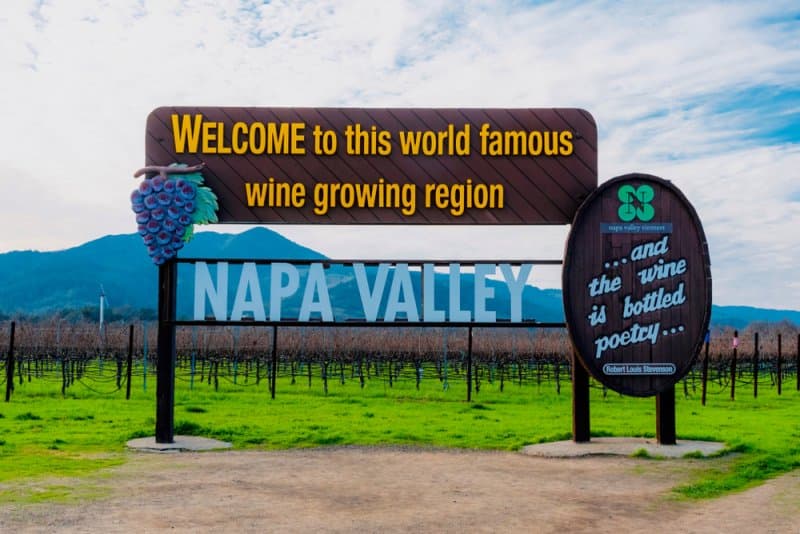
Napa earns its fame. Cabernet Sauvignon is the star, and the valley is crowded with polished estates, spa hotels, and restaurants worth a reservation. Book tastings early, since weekends fill fast. If the budget allows, a sunrise balloon ride over the vines is hard to beat.
Sonoma, California
Sonoma is Napa’s easygoing neighbor, and it’s less crowded. But it isn’t one place. It’s a patchwork of growing areas, so pick before you pack. Dry Creek Valley is famous for Zinfandel. Russian River Valley leans toward Pinot Noir and Chardonnay. Pours are generous, and nobody’s in a hurry.
Willamette Valley, Oregon
Pinot Noir lovers, this is your place. The valley stretches south from Portland and holds hundreds of wineries, and the people running them tend to cheer each other on. Stay in McMinnville and walk between tasting rooms on the main street.
Best Wine Regions in the US for a Weekend Trip
Only got a Friday to Sunday window? Two nights is plenty, as long as the region is compact and easy to reach. Pick one of these, and you’ll spend more time with a glass in hand and less time stuck in traffic on Sunday afternoon.
Paso Robles, California
Paso Robles sits about halfway between Los Angeles and San Francisco. Rhône-style blends are the local specialty, though Zinfandel and Cabernet hold their own. Many tasting rooms are a short drive apart, so a two-day loop feels easy, not exhausting.
Texas Hill Country
Heading to Austin or San Antonio anyway? Tack on a day in Texas Hill Country. Heat-loving Mediterranean grapes do well here, which means crisp whites and food-friendly reds. Just know the wineries sit farther apart than the map suggests, so plan your route before you start pouring.
Finger Lakes, New York
Riesling runs the show in upstate New York. Wine trails wrap around Seneca, Cayuga, and Keuka lakes, and waterfalls and gorges give you somewhere to walk between tastings. Aim for late spring through October. September is gorgeous but busy, so book early.
Best US Wine Destinations for First-Time Visitors
New to all this? Relax. Nobody expects you to know grape names or swirl like a sommelier. Look for places where staff enjoy chatting, fees stay low, and beginner questions are welcome. These two are about as friendly as it gets.
Charlottesville, Virginia
The Monticello area of central Virginia makes a gentle classroom. Viognier and Cabernet Franc are the grapes to watch, and plenty of tasting rooms charge modest fees. Rolling hills, small historic towns, and relaxed staff mean you can ask the basic questions. Everyone starts somewhere.
Lodi, California
Lodi is the budget-friendly surprise. Tasting fees often land well below Napa or Sonoma, and some vines are more than a century old. Plenty of family-run wineries welcome walk-ins, so you can wander without a rigid plan. You’ll likely chat with the very people who grew the grapes.
Wine Tasting Vacations USA: How Do the Regions Compare?
Here’s the quick version. Fees shift often, so treat these as ballpark figures and double-check before you book.
| Region | Best For | Typical Fee |
| Napa Valley | Romance and Cabernet | $40+ |
| Sonoma | Variety and views | 30–60 |
| Willamette Valley | Pinot Noir | 25–60 |
| Paso Robles | Rhône blends | 20–50 |
| Texas Hill Country | Easy add-on trips | 15–30 |
| Finger Lakes | Riesling | 15–40 |
| Charlottesville | Beginners | 16–25 |
| Lodi | Budget trips | 15–30 |
Best Wine Trips in the US: How Do You Plan One?
A little prep saves money and headaches. Here’s the short list:
- Reserve popular wineries at least a week ahead.
- Line up a designated driver or car service.
- Stick to three or four tastings a day.
- Eat a real lunch and drink water.
- Ask if fees are waived with a bottle purchase.
Trying to keep costs down? These budget-friendly vacation tips help, and this list of pre-trip planning ideas covers paperwork and bookings.
Best Wine Vacations USA: When Should You Go?
Spring and fall win most of the time. Spring means green vines and mild days. Fall brings harvest energy and gorgeous color, though prices and crowds climb with it. Summer runs hot in places like Paso Robles and Texas. Winter? Quiet tasting rooms and cheaper hotels.
Frequently Asked Questions
Which region is best for a first wine trip?
Charlottesville and Lodi are great starters. Fees stay low, staff happily explain things in plain English, and nobody rushes you. You’ll learn a lot, spend less, and enjoy a relaxed pace without feeling judged.
How much does a wine tasting cost in the US?
Most standard tastings run roughly $15 to $60, depending on the region. Lodi and Texas sit at the low end, while Napa, Sonoma, and Oregon often cost more. Many wineries waive fees with bottle purchases.
Do you need reservations for wine tasting?
Often, yes. Napa, Sonoma, and many top estates want a booking, especially on weekends. Lodi and Texas Hill Country are usually more walk-in friendly. Still, check the winery’s website before you drive over.
Is Napa better than Sonoma?
Neither wins outright. Napa feels polished and Cabernet-focused, while Sonoma feels relaxed and more varied. If you want luxury, Napa usually fits. If you like variety and gentler prices, Sonoma probably will.
Which region is best for Pinot Noir?
Oregon’s Willamette Valley is the usual answer. Sonoma’s Russian River Valley and Santa Barbara County also make excellent Pinot Noir, so you still have strong options if Oregon feels too far away.
Tour Price
Our private tours typically range from $500 - $1000 per person/per night depending on chosen hotels and room categories, vehicles used, types of tours, flight cost, time of year and other factors. Make an inquiry for a customized trip quote.