5 Best Street Food Cities in the US that People Must Visit

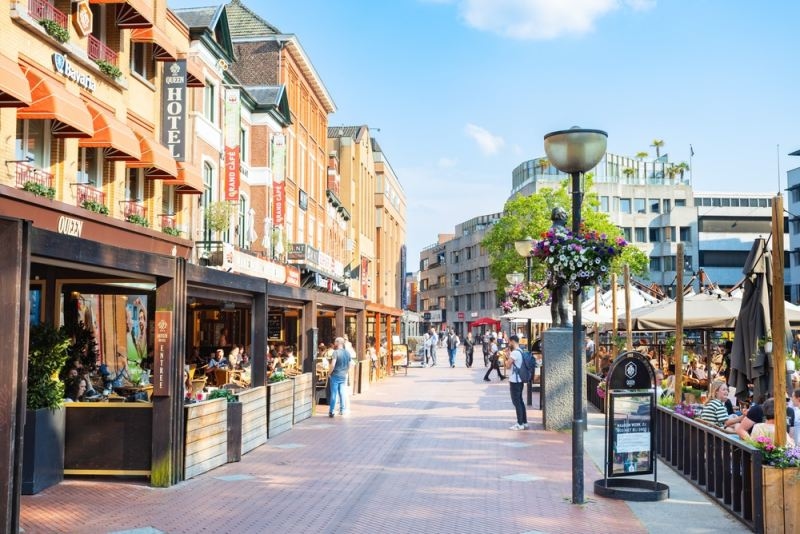
Getting a hot meal served off a flimsy paper plate while standing on a cracked concrete sidewalk beats a stiff, fine-dining reservation almost every single time. The vendor scene totally flipped how people eat on the road. What used to be a quick, cheap way to survive a lunch break turned into the main reason people book flights.
Understanding the 5 Best Street Food Cities in the US
Skip the polished tourist traps. These specific spots dominate the pavement cooking scene right now because the locals simply refuse to accept mediocre meals from a truck.
1. Portland, Oregon
Food carts here sit in massive dedicated pods rather than fighting downtown traffic every morning. This setup means grabbing elite Thai noodles, proper Texas brisket, and a vegan donut in the exact same gravel parking lot without moving the car. The rain never stops the crowds because operators build heavy-duty covered wooden pavilions with fire pits right next to the ordering windows.
2. Austin, Texas
Breakfast tacos absolutely run this town before sunrise. The heavy barbecue trailers operate out of dusty gravel lots, dragging massive black iron smokers around town just to feed the chaotic music festival crowds. Grabbing a foil-wrapped brisket taco that physically burns the hands is a mandatory morning ritual for anyone living near the downtown corridors.
3. New York City, New York
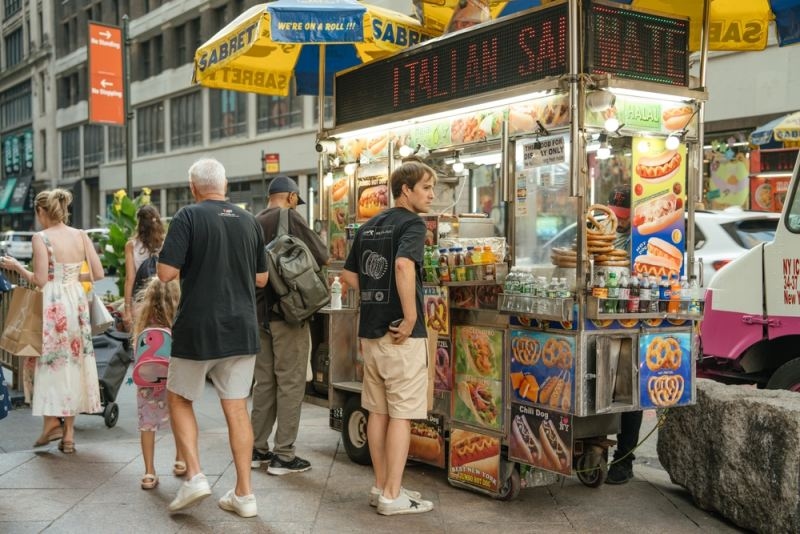
The pavement hustle literally never stops. Halal carts push out aggressive white garlic sauce over chopped chicken and yellow rice on almost every midtown corner until three in the morning. Walking past the subway grates means cutting through heavy clouds of roasted peanuts and burning charcoal, proving that cheap, fast calories keep the financial district moving.
4. Los Angeles, California
Underground taco stands set up under blue tarps directly next to active car washes and auto body shops. The late-night al pastor spinning on a vertical spit, dripping fat directly onto an open flame, absolutely ruins standard restaurant Mexican food forever. Vendors risk heavy parking tickets nightly just to feed the neighborhood.
5. Miami, Florida
The humidity hits extremely hard, but the walk-up Cuban sandwich windows keep the entire city running on pure caffeine. Deep-fried empanadas get handed directly through tiny side-street counters alongside dark, bitter shots of espresso. The pavement dining here feels aggressively loud, fast, and entirely driven by the local immigrant labor force.
Must Read: Which Weekend Trip Ideas are Best for Quick Escapes?
How to Find the Best US Street Food?
Finding the actual good stuff requires ignoring the travel brochures. The best operators rarely waste cash on shiny social media campaigns or fancy truck wraps.
1. Follow the Smoke
Wood fires and raw charcoal grills signal real, uncompromising cooking. If a trailer runs entirely on quiet electric hot plates or a humming microwave, the flavor usually falls completely flat. The best operators want the neighborhood to smell the fat rendering from a block away.
2. Check the Cab Lines
Nightshift workers and hospital staff know exactly who serves the freshest meals at two in the morning. A massive cluster of tired delivery drivers waiting on a random curb guarantees the kitchen pushes out heavy, quality portions that justify the long wait.
3. Look for the Blue Tarps
Flashy trucks featuring perfect graphic design and pristine paint jobs usually charge twenty bucks for a tiny slider. The absolute best street food in the US almost always comes from folding tables set up under hardware store tarps with a handwritten cardboard menu taped to a cooler.
What Impacts the Street Food Culture the Most in the USA?
The entire mobile food game shifts wildly depending on local politics and neighborhood demographics. A thriving vendor scene never happens by accident; it requires specific local conditions.
1. Affordable Commercial Commissaries
Local health codes force mobile trucks to prep their raw food in registered, highly inspected commercial kitchens. When a town lacks cheap shared kitchen spaces, new, broke cooks simply cannot afford the upfront cash required to legally launch a food cart.
2. Brewery Collaborations
Craft beer taprooms rarely want to deal with the headache of running their own internal kitchens. Partnering with food trucks keeps the drinkers fed and happy, creating a guaranteed, built-in audience for the people cooking the food outside in the parking lot.
3. Pedestrian Density
Trucks simply die in sprawling, car-dependent suburbs where nobody walks outside. A healthy street food culture absolutely requires heavy foot traffic, packed city sidewalks, and hundreds of people wandering around late at night actively looking for a quick, greasy bite to soak up the alcohol.
Conclusion
The days of viewing mobile pavement meals as a cheap, desperate option are totally finished. Talented, aggressive cooks abandon expensive brick-and-mortar restaurant kitchens every single day just to serve unpretentious, heavy plates directly to the sidewalk. Nailing down the best street food cities in the US just comes down to checking the local zoning laws, following the heavy immigration hubs, and hunting for neighborhoods with massive foot traffic.
Frequently Asked Questions
Which U.S. cities have the best street food?
New York, Los Angeles, and Portland usually fight for the absolute top spot. Austin and Miami follow closely behind, mostly because their local zoning laws let mobile vendors park near busy nightlife districts without getting harassed by city health inspectors every five minutes.
Why do the best street food destinations in the U.S. stand out?
They combine relaxed parking rules with a huge mix of different cultures. When a town has cheap access to commercial prep kitchens and lets trucks park freely outside busy breweries or public parks, the culinary scene explodes organically without corporate intervention.
Are mobile food trucks heavily regulated by the health department?
Yes, mobile pavement kitchens face the exact same surprise health inspections as traditional sit-down restaurants. They have to pass strict meat temperature checks, maintain running hot water on the truck, and prep all their raw ingredients inside approved, fully licensed commercial facilities before hitting the road.
How do pavement vendors handle awful winter weather?
Operators in freezing northern states usually retreat during January and February unless they secure a highly coveted spot near a massive office building.
Why do pavement meals sometimes cost as much as a sit-down dinner?
High-end trucks buy the exact same premium ingredients as nice restaurants. You are paying for prime smoked brisket, fresh seafood, or organic local produce, just without tipping a waiter or covering the massive electrical overhead of a fancy dining room.
Tour Price
Our private tours typically range from $500 - $1000 per person/per night depending on chosen hotels and room categories, vehicles used, types of tours, flight cost, time of year and other factors. Make an inquiry for a customized trip quote.